Purple Innovation, Inc. (PRPL on NASDAQ) is a Lehi-based company that makes mattresses and other sleep products. The Purple brand was founded by Tony and Terry Pearce who then sold their company in 2018 to a public SPAC. The business is underpinned by their proprietary GelFlex Grid technology and Hyper-Elastic Polymer material in mattresses, pillows, and cushions. The company claims this technology provides superior pressure relief - before making mattresses, the founders of Purple used to license the tech to medical manufacturers to use in wheelchairs and hospital beds. Other advantages of the company's products include temperature neutrality, responsiveness, and durability. Purple is vertically integrated and manufacturers their products in Georgia. They have three sales channels: e-commerce (direct-to-consumer), wholesale (Mattress Firm, Costco, Ashley Furniture, etc.), and showrooms.
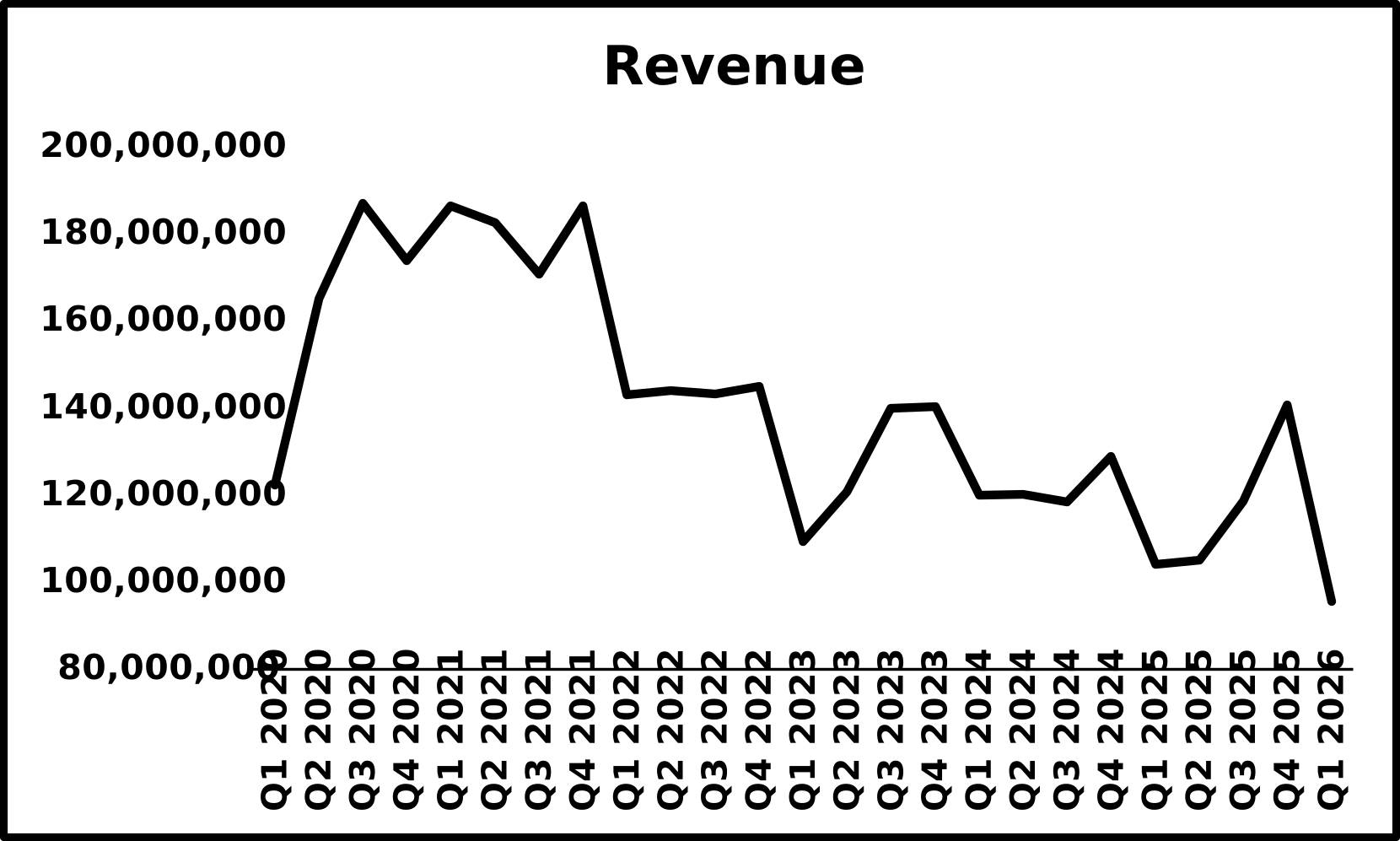
Like many companies, PRPL's revenue peaked in 2020/2021 and has gradually declined since. See the below chart of quarterly revenue over the past 6 years:
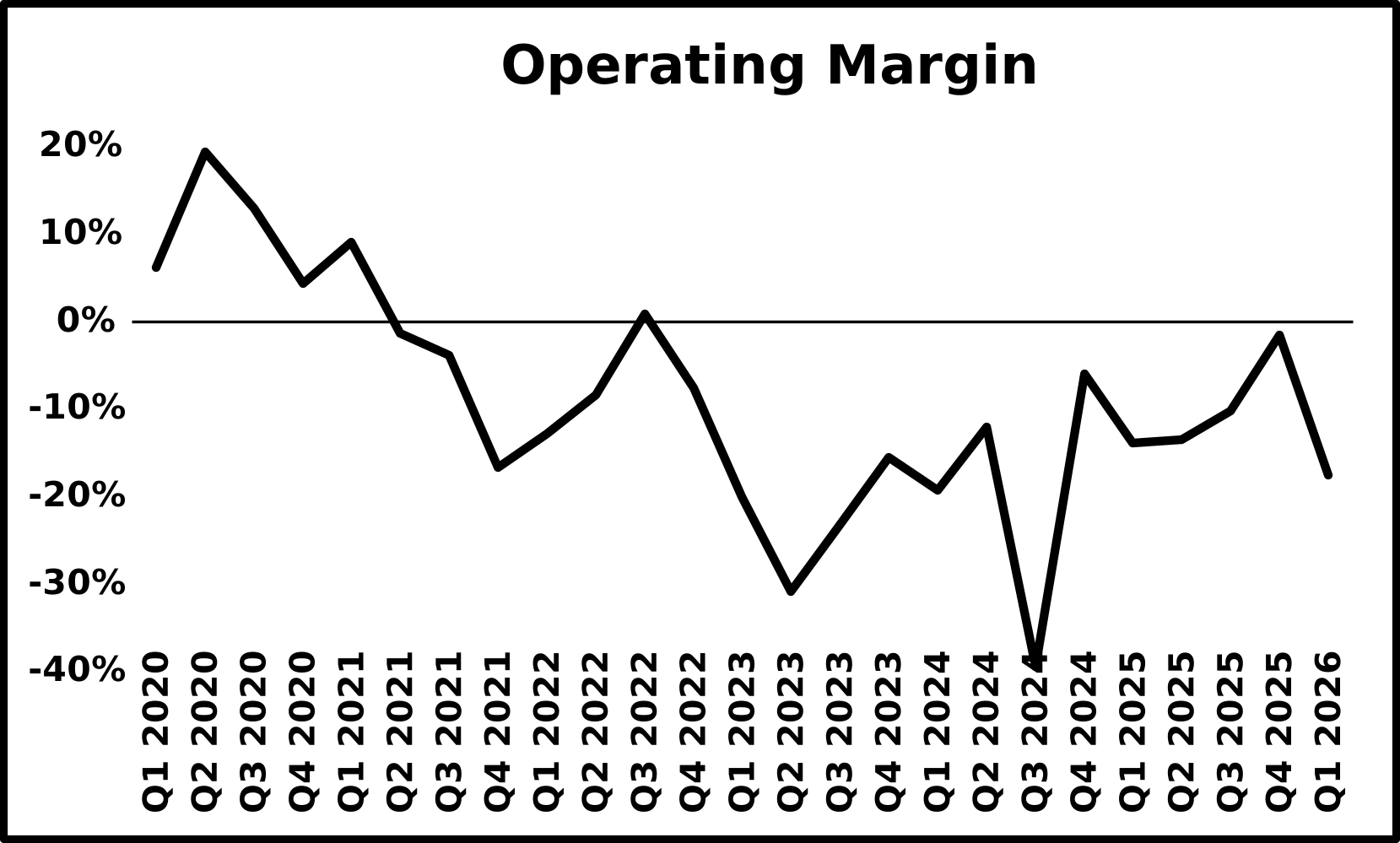
After a solid recovery in the second half of 2025, revenue for Q1 2026 dropped to $96 million, an 8.1% decrease from Q1 2025. Throughout the past six years, Purple has posted a net loss each year except for 2021. They have also ended with an operating loss each quarter besides one since Q2 of 2021. Operating income/loss is revenue minus all operating expenses, before accounting for non-operating income/expenses such as interest, income tax, and others. See the below chart:
Purple has also had negative cash flow from operations every year since 2020, averaging $33 million. The company went through a restructuring process that started in 2024 but did not cut expenses quite enough to get to an operating profit. Still, they have now shifted their focus away from austerity and back to growth. In the 2025 10-K, they say the following about the current focus of the business: "The way we think about the business today is fundamentally different than a year ago. Last year was about reshaping the business for a tougher market - right sizing out cost structure, strengthening the foundation and restoring profitability. Now, we are focused on growth with our strategic focus areas that build on what is already working and how we are running our business." This strategic outlook can be interpreted in different ways. On one hand, it seems like they are claiming victory on their restructuring plan, having restored profitability and 'right-sized' the business. I wouldn't say they did those things, given that they still had an operating loss in Q4 25 and a larger loss in Q1 26. On the other hand, this outloook signals their confidence in the growth of their business, that revenue gains will start to turn the margins positive. After a disappointing Q1 revenue number followed an encouraging trend over the previous two quarters, I'm looking forward to seeing what happens in Q1 26.
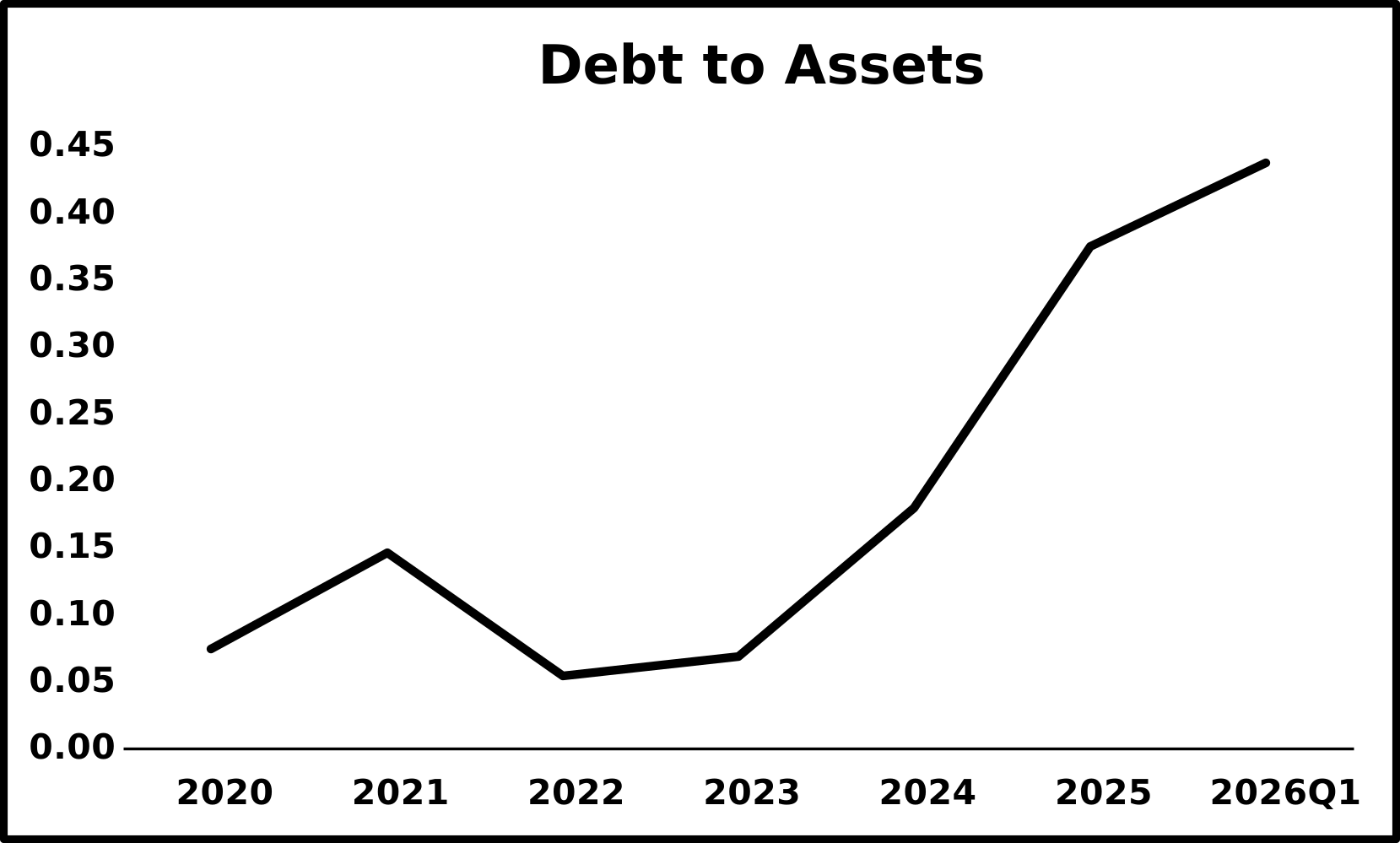
When I look at the financials for Purple, the thing that concerns me more than anything else is the debt. See the below chart of Purple's debt-to-assets ratio and interest expense as a percent of revenue over the past 6 years:
The staggering growth of the debt and interest has been primarily caused by three factors. The first is that they pay a very high interest rate on their debt, 14.03% during Q1 2026 and 14.58% during 2025. For reference, this rate is ~120 basis points higher than the ICE BofA CCC & Lower US High Yield Index Effective Yield, which tracks the least creditworthy companies in the BofA High Yield Index, of 12.79% for the first quarter of 2026. The second factor is that since Purple has not had the cash flow to pay the interest on the loan, they have elected to pay the interest in-kind. This means the interest payments are not paid in cash but added to the principal of the loan. As a result, each year the balance of the loan is growing by over 14% without the effect of any additional drawdowns. The third factor is that they have had to borrow more money recently. Due to negative cash flow, the company had to draw an additional $39 million on the loan during 2025, bringing the total outstanding loan balance to ~$132 million. This loan is referred to as the "Related Party Loan" in the financial statements because the largest lender is Coliseum Capital Partners, which is also Purple's largest shareholder by far. Coliseum owns 49.9% of the company according to their SEC Form 13D fililng. They also own warrants that give them the right to purchase 32.8 million additional shares of the company at $1.50, although they are subject to a cap that prevents them from owning more than 49.9% of the company. Coliseum has appointed or nominated 5 members of the Purple board of directors, and the Chairman of the Board is a manager at Coliseum. The loan was originally due in 2023 but has been extended multiple times. It was recently extended from a due date of 12/31/26 to 4/30/27, and the company paid a $1.6 million amendment fee for this extension. This relationship presents a conflict of interest, as the company acknowledges in their 10-K's risk factors section. While I'm not an underwriter and can't determine if Coliseum is charging a fair rate, it's my opinion that the incentives around this credit relationship create dynamics that are disadvantageous to a minority investor in Purple. Coliseum has less incentive to influence the company to refinance the debt for a lower interest rate or to reduce their cash burn to slow the rate of increase on the debt. In addition, the warrants Coliseum owns increase the potential for dilution if the stock price of the company rises above $1.50 during the next 10 or so years before the warrants expire.
Purple spent ~$7 million in 2025 and another ~$4.3 million in Q1 26 on "strategic alternative costs." They have been engaging with multiple parties about potential transactions including selling the company to an acquirer or merging with another company. This may help explain why management is currently focused on growth even though they are losing money. They could be trying to grow the business as much as possible to make it more attractive to a potential buyer. Existing shareholders at the time of the transaction could benefit from such a transaction since an acquirer will typically buy a target company at a price above the public market price.
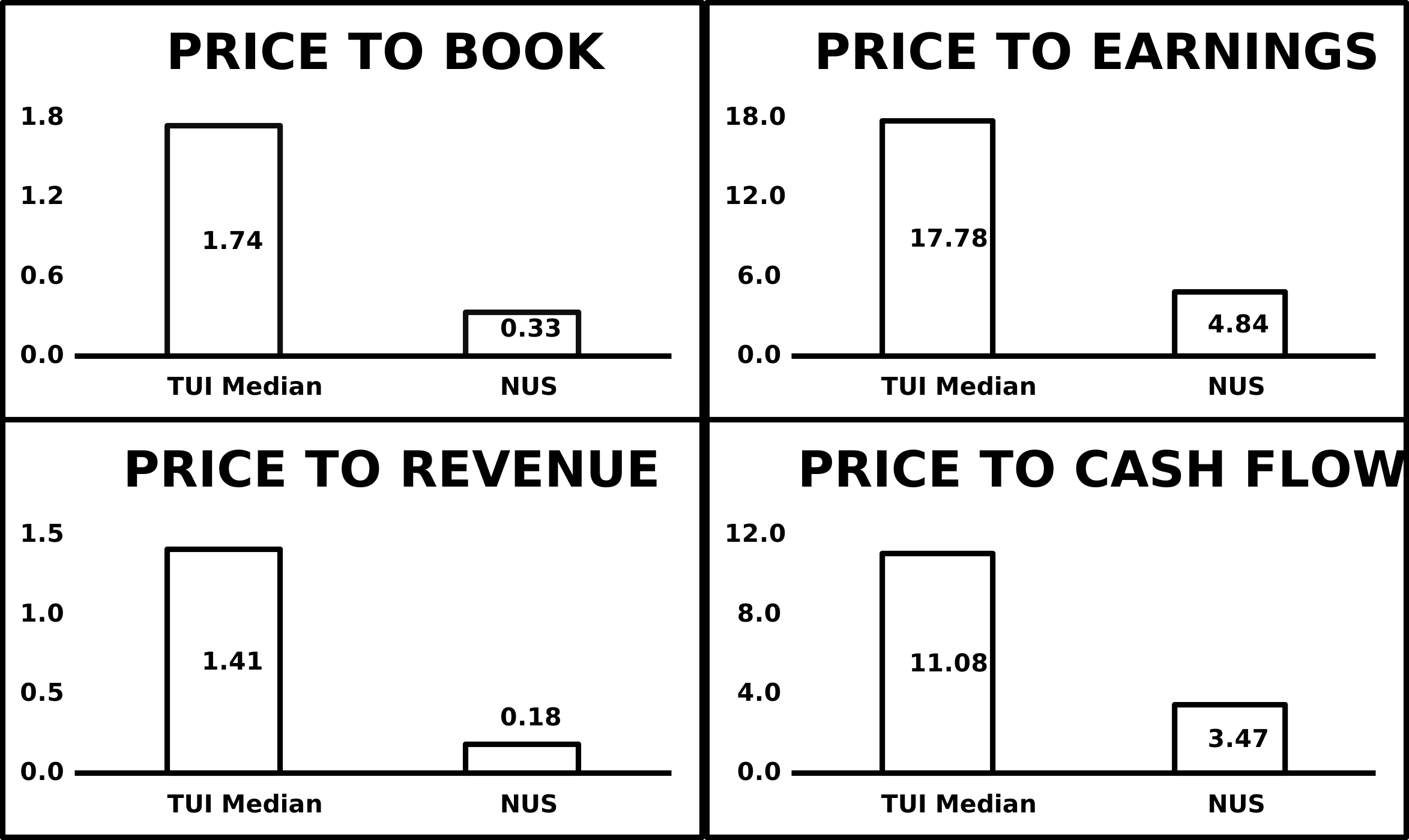
In my view, the Purple stock has the following strengths and risks. The company has a well-known brand, especially in Utah, and anecdotally I have heard good things about the products from people I know that have used them. Before a disappointing Q1 26, their revenue had increased for three straight quarters and their restructuring efforts reduced their operating loss significantly, coming close to an operating profit in Q4 25. In addition, the current market value of the stock is .1x trailing-twelve-month revenue, which is much cheaper than the TUI index median of 1.36 as of 6/9/26. If Purple can overcome the other factors discussed, there is a lot of room for the stock price to increase. The possibility of being acquired could be a positive for investors as well. Now the risks. To me, the biggest is the Coliseum Capital Partners stake in the company on both the debt and equity side of the capital structure. The debt level and interest expense have been rising sharply over the past few years, and the company may not have the incentive to do anything to combat this since the largest shareholder of Purple is also the largest lender in the credit agreement. In fact, the best thing for Coliseum may be for the company to keep compounding the debt at over 14% a year and increase the payout they receive if the company can raise cash through a sale or refinancing. In addition, if the stock price rises past $1.5, Coliseum will need to sell a lot of shares to stay under the 49.9% ownership cap while also exercising their ~33 million warrants. I think that minority investors in this company should be aware of the relationship with Coliseum and the associated conflicts of interest. Another risk factor is that Purple has decided to switch their focus from austerity to growth, even though their restructuring did not get them to the point of making an operating profit. While this shows confidence in the growth of the company, if sales don't increase the company will continue losing money and may need to restructure again. Ultimately, I don't doubt that the Purple brand will will survive for years to come, but I am less certain whether current investors will be the ones who reap the economic benefits from future brand success. Please don't take this article as investment advice. Do your own research before making any investment decisions. Read my notes page for a description of my investment process.